


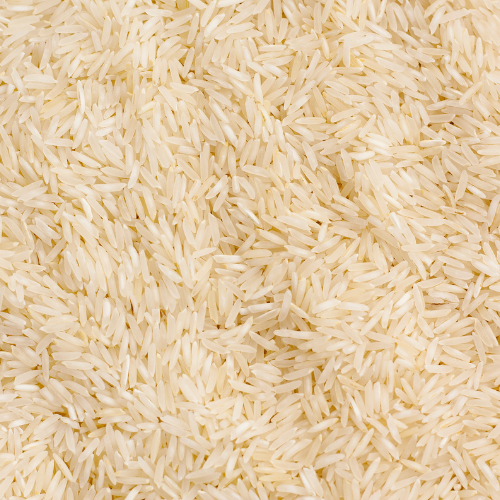
Basmati rice is one of the world’s most treasured varieties of rice, loved for its long grains, distinct aroma, and delicate flavor. Often referred to as the “King of Rice”, Basmati has been cultivated in the Indian subcontinent for centuries and continues to hold a special place in global cuisine. From royal feasts to everyday meals, this aromatic grain adds elegance and richness to every dish.
In this blog, we will explore the origin, types, nutritional benefits, culinary uses, and global demand for Basmati rice.
Origin of Basmati Rice
The word Basmati comes from the Sanskrit word Vasmati, meaning “fragrant” or “aromatic.” This rice is primarily grown in the fertile plains of India and Pakistan, nourished by the waters of the Himalayan rivers. Historical records suggest that Basmati rice has been cultivated for over 200 years, making it not just a food crop but also a cultural heritage.
The unique soil and climatic conditions of the Indo-Gangetic plains give Basmati its characteristic long grains, aroma, and fluffy texture after cooking.
Characteristics of Basmati Rice
Basmati rice stands out from other rice varieties due to its unique properties:
- Long slender grains – The grains are nearly double the length of regular rice.
- Distinct aroma – A nutty fragrance that intensifies when cooked.
- Fluffy texture – Grains remain separate and do not stick together.
- Delicate flavor – Subtle, slightly nutty taste that complements many cuisines.
- Aging quality – Aged Basmati is more aromatic and has better cooking properties.
Varieties of Basmati Rice
Basmati comes in different types, each with unique features:
- Traditional Basmati Rice
- Known for its authentic aroma and extra-long grains.
- Preferred for royal dishes like biryani and pulao.
- 1121 Basmati Rice
- Famous for being one of the longest rice grains in the world.
- Widely used in hotels and restaurants.
- Pusa Basmati Rice
- Hybrid variety with excellent cooking quality.
- Popular in both domestic and international markets.
- Brown Basmati Rice
- Less processed, retaining the bran layer.
- Rich in fiber and nutrients, preferred for health-conscious consumers.
- Golden Sella Basmati Rice
- Parboiled variety with a golden hue.
- Retains more nutrients and has a firmer texture.
- Steam Basmati Rice
- Steamed before milling to preserve nutrients.
- Remains fluffy and non-sticky after cooking.
Nutritional Value of Basmati Rice
Basmati rice is not only delicious but also nutritious. A 1-cup serving (about 200 grams cooked) provides:
- Calories: 190–210 kcal
- Carbohydrates: 40–45 g
- Protein: 4–5 g
- Fat: 0.5 g
- Fiber: 1–2 g (higher in brown Basmati)
- Vitamins: B-complex vitamins
- Minerals: Magnesium, iron, zinc, and phosphorus
Health Benefits
- Supports digestion – Easy to digest and light on the stomach.
- Low glycemic index – Especially brown Basmati, making it suitable for diabetics.
- Rich in energy – High carbohydrate content provides instant energy.
- Heart-friendly – Low in fat and cholesterol.
- Weight management – Brown Basmati provides fiber that supports satiety.
Culinary Uses of Basmati Rice
Basmati rice is versatile and features in cuisines worldwide. Some popular uses include:
- Biryani – A royal Indian and Middle Eastern dish layered with rice, spices, and meat/vegetables.
- Pulao – Flavored rice cooked with vegetables, nuts, and spices.
- Plain steamed rice – Served as a side dish with curries, lentils, and gravies.
- Rice salads – Light and refreshing meals made with Basmati.
- Global cuisine – Used in Persian, Mediterranean, and Middle Eastern dishes.
Its aroma and long grain structure make it a favorite for festive and fine-dining occasions.
Basmati Rice in Global Trade
Basmati rice is one of the most exported rice varieties globally, with India and Pakistan being the primary exporters.
- India: Accounts for more than 65% of the global Basmati rice exports.
- Pakistan: Known for premium quality varieties.
- Key Markets: Middle East, USA, UK, Canada, Europe, and Gulf countries.
The increasing popularity of healthy diets and exotic cuisines has further boosted the demand for Basmati rice worldwide.
Storage and Cooking Tips
To enjoy the best of Basmati rice:
- Storage: Keep in a cool, dry place. Aged rice has better aroma and texture.
- Soaking: Soak the rice for 20–30 minutes before cooking for longer, fluffier grains.
- Cooking Ratio: Use 1 cup rice with 2 cups water.
- Fluffing: After cooking, let it rest for a few minutes and fluff gently with a fork.
Challenges in Basmati Rice Industry
While Basmati rice is globally popular, the industry faces challenges:
- Climate dependence – Requires specific conditions for cultivation.
- Price fluctuations – Affected by global demand and agricultural output.
- Adulteration – Low-quality rice often mixed with premium Basmati.
- Sustainability issues – Intensive farming impacts soil and water resources.
Future of Basmati Rice
The future of Basmati rice is promising with growing international demand. Key trends include:
- Organic Basmati rice – Rising demand among health-conscious consumers.
- Value-added products – Ready-to-cook and packaged rice gaining popularity.
- Sustainable farming – Adoption of eco-friendly cultivation methods.
- E-commerce growth – Increasing online availability and global reach.
Conclusion
Basmati rice is more than just a staple food – it is a symbol of heritage, flavor, and quality. Its long grains, enchanting aroma, and nutritional benefits make it a global favorite. From the royal kitchens of ancient India to modern international dining tables, Basmati rice continues to be the preferred choice for food lovers worldwide.
As demand grows, focusing on quality, sustainability, and authenticity will ensure that Basmati rice maintains its crown as the King of Aromatic Grains.